Reactor Sparger Manufacturer | Sintered Metal Sparger for Reactors
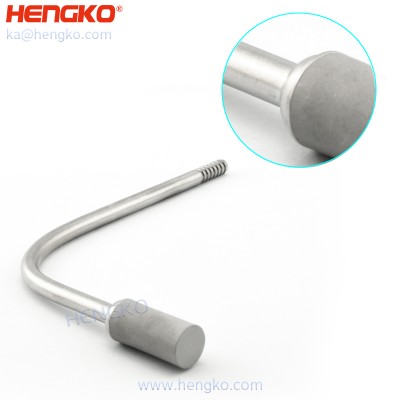
A reactor sparger is a critical component used in chemical reactors to disperse gas into liquid for efficient mixing and mass transfer.
HENGKO manufactures high-performance sintered metal reactor spargers designed for uniform gas distribution,
fine bubble generation, and improved reaction efficiency.
Our reactor spargers are made from durable 316L stainless steel, offering excellent corrosion resistance and long service life in
demanding applications such as chemical processing, pharmaceuticals, and biotechnology.
As a professional reactor sparger manufacturer, HENGKO provides OEM customization including pore size, length, connection types,
and flow performance to meet specific reactor design requirements.
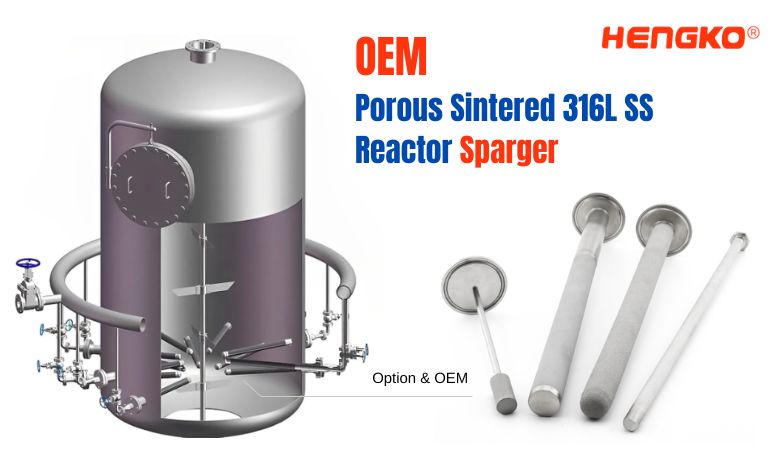
With advanced sintering technology, precision engineering, and tailored designs, HENGKO delivers reliable and efficient
sparger solutions to optimize your processes.
Partner with us for top-tier reactor spargers and exceptional service.
If you have any requirements and are interested in our sintered metal filter and Reactor Sparger elements
please send an inquiry by email ka@hengko.com to contact us now.
we will send back asap within 24-Hours.

-
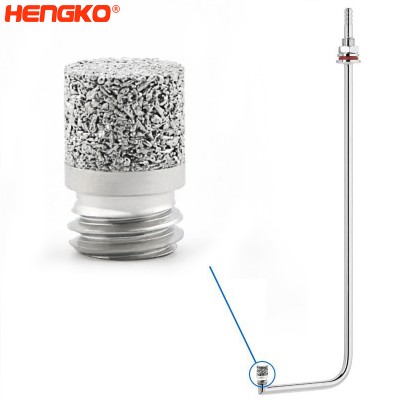
Hot-selling China Sintered Metal Spargers
Our organization puts emphasis to the administration, the introduction of talented personnel, and also the construction of team building, making an attempt h...
View Detail -
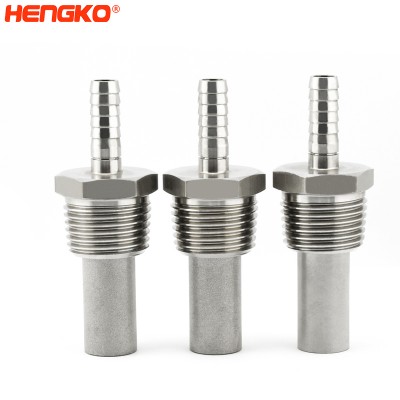
High definition China Sparger
Our workforce through professional training. Skilled professional knowledge, solid sense of service, to fulfill the services demands of consumers for High de...
View Detail -
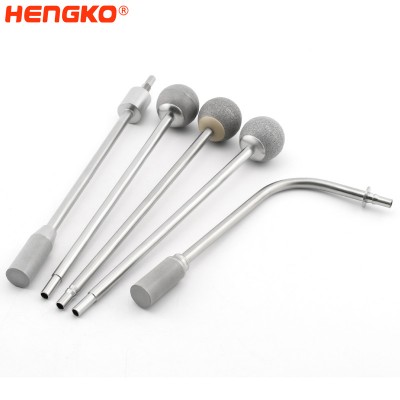
Chinese Professional China SS316 L Powder Sintered Filter Cartridge for Filtration and ...
With our leading technology at the same time as our spirit of innovation,mutual cooperation, benefits and advancement, we will build a prosperous future with...
View Detail -
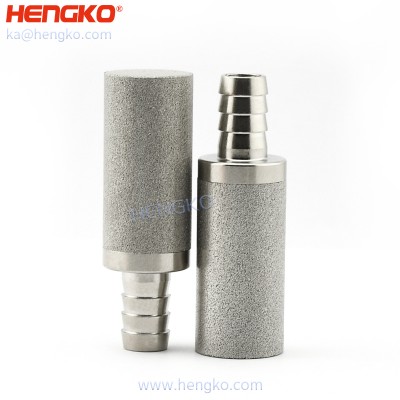
air diffusers spargers
air diffusers spargers, Aeration Stone, air diffusers spargers, Air Stone Diffuser, Bubble Diffuser, Carbonation Stone, Fine Bubble Diffuser, Micro Bubble ...
View Detail -
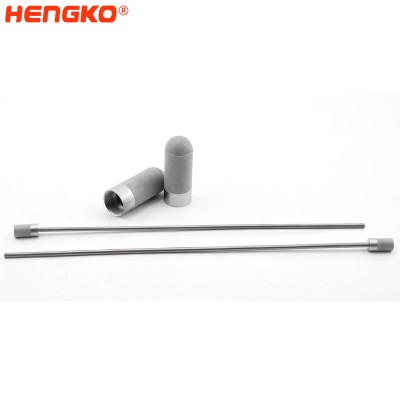
316 L Powder Stainless Steel Metal Frit Spargers Building A Stainless Steel Filtering S...
316 L Powder Stainless Steel Metal Frit Spargers Building A Stainless Steel Filtering System For Beer Ferment, building a stainless steel filtering system ...
View Detail -
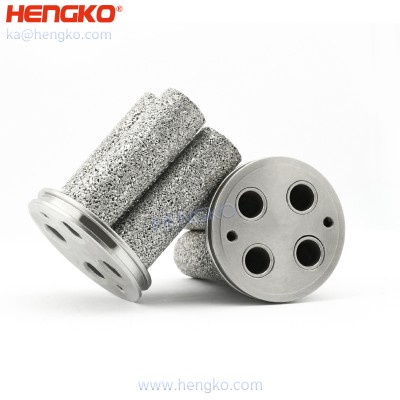
porous metal In-Line spargers generate small bubbles
porous metal In-Line spargers generate small bubbles, air sparger, in-line spargers, micron sparger, porous metal in-line spargers, sintered sparger, HENGK...
View Detail -
air bubble diffusion stone bubbler smaller bubble aeration porous sparger carbonation s...
"Quality initially, Honesty as base, Sincere company and mutual profit" is our idea, in order to create repeatedly and pursue the excellence for air bubble d...
View Detail -
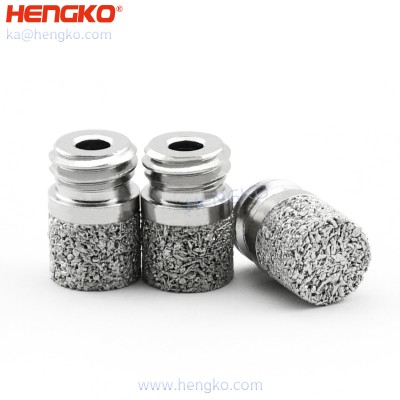
316L stainless steel porous sparger tube sintered tip for fermentation vessel accessories
316L stainless steel porous sparger tube sintered tip for fermentation vessel accessories, Aeration Stone, aeration wand, Carb Stone, Carbonation Keg Lid, ...
View Detail -
0.5 Micron and 2 Micron Homebrew Oxygenation Diffusion Stone sparger Carbonation Aerati...
0.5 Micron and 2 Micron Homebrew Oxygenation Diffusion Stone sparger Carbonation Aeration For Beer Wine Tools Bar Accessories, Aeration Stone, Aeration Sto...
View Detail -
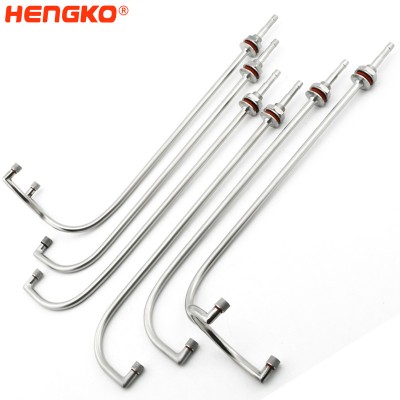
multi – bioreactor sparger for the fermenter sartorius
The Stainless Steel Fermenter|Bioreactor for Your Laboratory A bioreactor is a type of fermentation vessel that is used for the production of various chemica...
View Detail -
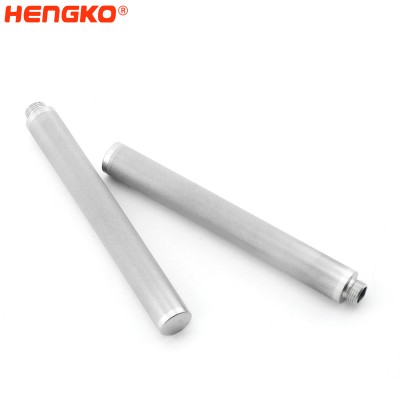
HENGKO OEM Sintered Steel Filter and Sparger
OEM Sintered stainless steel diffuser / sparger, for aerating in liquid. HENGKO’s sintered sparger are unsurpassed in strength, precision and uniformity. The...
View Detail -

Sintered Stainless Steel Sparger Porous Metal Diffuser for Gas Applications
OEM Sintered stainless steel diffuser / sparger, for aerating in liquid. HENGKO’s sintered sparger are unsurpassed in strength, precision and uniformity. Th...
View Detail -
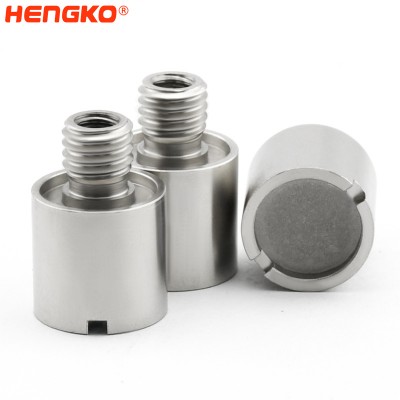
Sintered Microsparger in Bioreactor System for Green chemistry industry
The importance of aeration and gas dispersion to achieve good oxygen mass transfer cannot be understated. This is at the heart of the ability of mic...
View Detail -
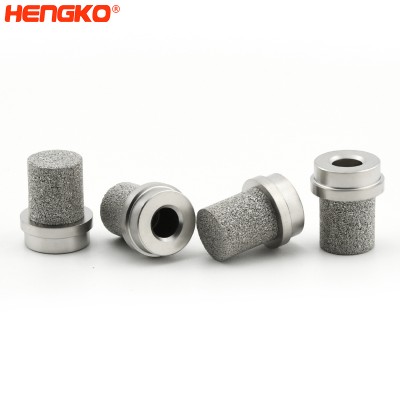
Replacement Micro-Bubble Porous Sparger Tips for Fermentation / Bioreactor Air Aeration...
Advantages of HENGKO Porous Metal Micro Spargers Due to the low solubility of oxygen in many cell culture mediums, optimizing this critical nutrient can be ...
View Detail -
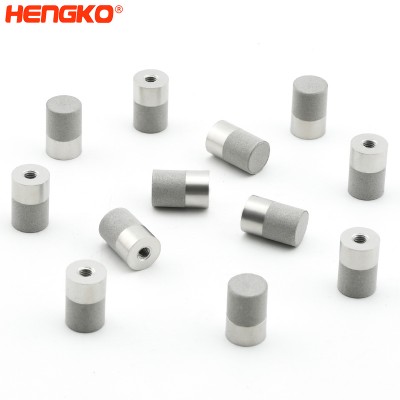
Sintered Micro Porous Sparger in Benchtop for Bioreactors and Laboratory Fermenter
Every bioreactor sparging system is designed for the introduction of oxygen to feed cell cultures. Meanwhile, the system must remove carbon dioxide to preven...
View Detail -
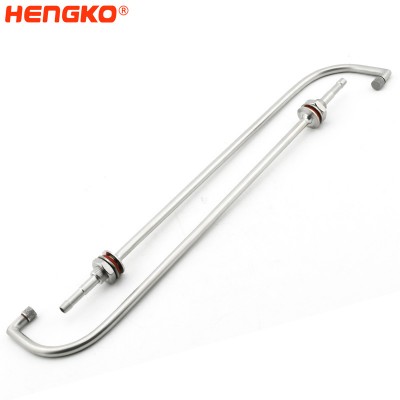
Quick Change Sparger System for Bioreactors and Fermentors Air Sparger Accessories- Mic...
Stainless steel sparger is to supply enough oxygen to the microbes in submerge culture technique for proper metabolism. Each fermentation process requires a ...
View Detail -
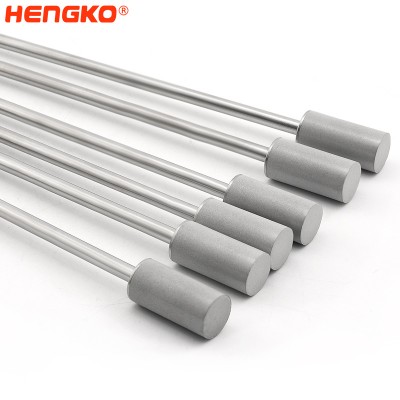
316 L Powder Stainless Steel Metal Frit Spargers Building A Stainless Steel Filtering S...
Product Description This device is particularly good for fermentations that require a large population of yeast. Pilsners (or other beers fermented at low te...
View Detail

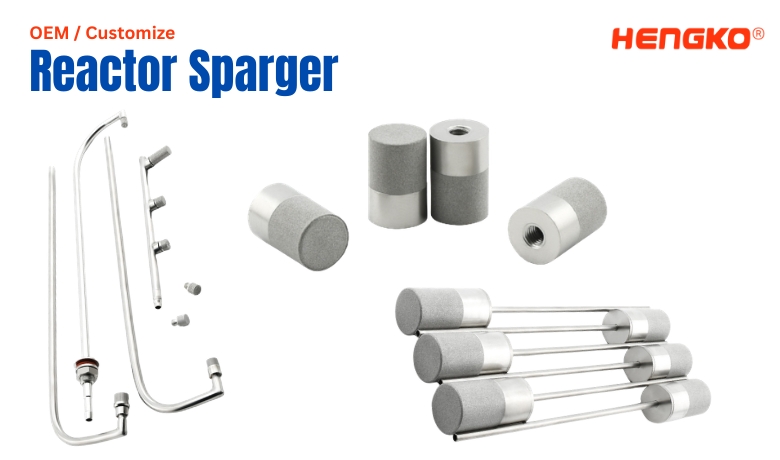
Types of Reactors Using Sintered Porous Metal Reactor Spargers
Sintered porous metal reactor spargers are essential for efficient gas-liquid mass transfer and mixing
in various reactor types. These include:
1.Bubble Column Reactors
*Ideal for continuous gas-liquid operations, enhancing contact efficiency with uniform bubble distribution.
2.Stirred Tank Reactors (STRs)
*Used in mixing processes requiring fine gas dispersion, such as fermentation or chemical synthesis.
3.Packed Bed Reactors
*Facilitates even gas flow distribution in systems involving catalytic reactions.
4.Fluidized Bed Reactors
*Ensures precise gas introduction for applications like chemical vapor deposition or biomass gasification.
5.Loop Reactors
*Optimized for circulating systems to improve gas-liquid interactions, commonly used in
petrochemical processes.
6.Photo-bioreactors
*Supports uniform CO₂ dispersion for algae cultivation or other biotechnological applications.
7.Electrochemical Reactors
*Provides consistent gas supply in electrolytic processes like water splitting or electroplating.
8.Hydrothermal Reactors
*Withstands high-pressure and high-temperature conditions for supercritical fluid processes.
HENGKO’s sintered porous metal spargers are highly versatile, delivering excellent performance
and durability across these reactor types.
Contact us to customize the perfect sparger for your application.
Main Features of Sintered Porous Metal Reactor Spargers
1.High Durability
Made from robust materials like 316L stainless steel, ensuring long life and resistance to corrosion, wear, and thermal stress.
2.Uniform Porosity
Engineered for precise pore size distribution, enabling consistent and efficient gas flow and bubble formation.
3.Superior Gas-Liquid Mass Transfer
Delivers excellent mixing and dispersion for enhanced reaction efficiency in industrial processes.
4.Temperature and Pressure Resistant
Capable of operating in extreme conditions, including high temperatures and pressures, without compromising performance.
5.Customizable Design
Tailored to meet specific reactor requirements, with adjustable dimensions, porosity levels, and connection types.
6.Easy Maintenance
Resistant to fouling and clogging, with options for backflushing or ultrasonic cleaning to ensure continued efficiency.
7.Eco-Friendly and Energy Efficient
Promotes optimal gas usage and minimizes waste, reducing environmental impact and operating costs.
8.Versatile Applications
Suitable for various industries, including chemical processing, biotechnology, pharmaceuticals, and water treatment.
HENGKO’s sintered porous metal reactor spargers offer unparalleled performance, making them the ideal choice
for demanding industrial applications.
FAQ of reactor sparger ?
What is a reactor sparger?
A reactor sparger is a device used in chemical or biological reactors to introduce gas into
a liquid phase in the form of fine bubbles. Its primary function is to ensure efficient gas-liquid contact,
which enhances mass transfer and reaction rates.
Reactor spargers are commonly used in industries such as chemical processing, pharmaceuticals,
and biotechnology, where controlled gas dispersion is critical. Sintered metal reactor spargers are especially
preferred due to their ability to generate uniform microbubbles, improving process efficiency and consistency.
What is the purpose of a sparger in a reactor?
The purpose of a sparger in a reactor is to distribute gas evenly throughout the liquid medium to
maximize gas-liquid interaction. This is essential for processes such as aeration, oxidation,
fermentation, and stripping.
A well-designed reactor sparger improves mass transfer efficiency, reduces gas consumption,
and ensures uniform reaction conditions. It also helps maintain process stability and product quality,
especially in large-scale industrial reactors.
What is the main purpose of sparging?
The main purpose of sparging is to introduce gas into a liquid system in a controlled and efficient manner.
This process enhances mass transfer between phases, which is critical in many industrial and laboratory applications.
In reactors, sparging is used to supply oxygen, remove dissolved gases, or facilitate chemical reactions.
Fine bubble generation is key, as smaller bubbles increase surface area and improve gas utilization efficiency.
What is the best material for a reactor sparger?
Do you what is the best materials to make a reactor sparger ?
Answer is the best material for a reactor sparger depends on the application, but 316L stainless steel is
widely considered the industry standard. It offers excellent corrosion resistance, mechanical strength,
and durability under high temperature and pressure conditions.
Sintered stainless steel spargers are particularly advantageous because they provide controlled pore
size distribution, enabling consistent bubble formation and long service life in harsh environments.
How does sparger pore size affect performance?
Sparger pore size plays a critical role in determining bubble size and gas distribution. Smaller pore sizes
produce finer bubbles, which increase surface area and improve mass transfer efficiency.
However, smaller pores may also lead to higher pressure drop and potential clogging, especially in viscous
or contaminated systems. Therefore, selecting the appropriate pore size requires balancing efficiency, flow rate, and maintenance considerations.
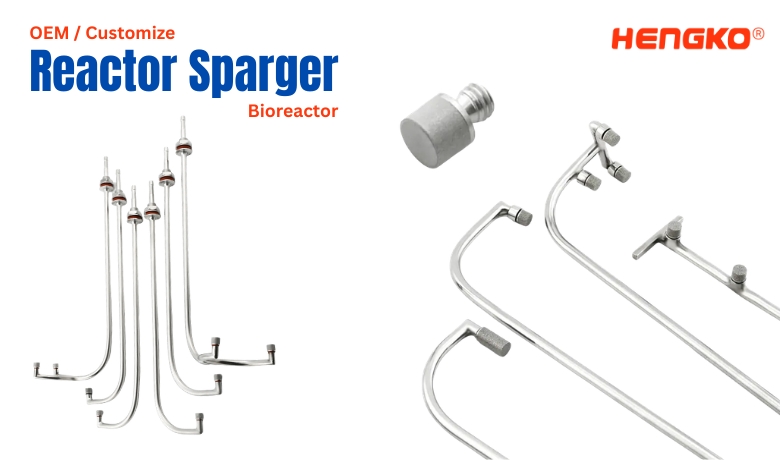
How does sparger size affect reactor performance?
The size and geometry of a reactor sparger directly influence gas distribution and mixing efficiency.
A properly sized sparger ensures uniform gas dispersion across the reactor volume, preventing
dead zones and improving reaction consistency.
Oversized or undersized spargers can lead to inefficient gas utilization, uneven mixing,
and reduced process performance. Custom-designed spargers are often required to match
specific reactor dimensions and operating conditions.
What is a frit sparger?
A frit sparger is a type of gas diffuser made from porous materials such as sintered metal or glass.
It produces very fine bubbles by forcing gas through microscopic pores.
Frit spargers are commonly used in laboratory and small-scale applications where precise gas distribution
is required. In industrial settings, sintered metal frit spargers are preferred due to their durability and
resistance to high pressure and temperature.
What is the purpose of air sparging?
Air sparging is used to introduce air into a liquid system, typically to supply oxygen or remove
volatile compounds. In bioreactors, it is essential for aerobic fermentation processes.
In chemical reactors, air sparging can enhance oxidation reactions and improve mixing.
Efficient air sparging depends on the design of the sparger, including pore size, material,
and flow distribution.
What types of reactor spargers are available?
Reactor spargers come in various designs, including pipe spargers, ring spargers, nozzle spargers,
and sintered porous spargers. Each type is suited for different applications and reactor configurations.
Sintered metal spargers are widely used due to their ability to generate uniform microbubbles and
withstand harsh operating conditions. The choice of sparger depends on factors such as gas flow rate, reactor size, and process requirements.
How to choose the right reactor sparger?
Choosing the right reactor sparger involves evaluating several factors, including gas type,
flow rate, operating pressure, temperature, and reactor geometry.
Material selection, pore size, and connection type are also critical considerations. Customization is
often necessary to ensure optimal performance. Working with an experienced manufacturer can help
ensure the sparger meets specific process requirements and delivers long-term reliability.
Get a Custom Reactor Sparger Solution
Tell us your application, and our engineers will recommend the best design for you.
Email: ka@hengko.com
or submit the form below to receive a fast quote.


